Best Time for Foundation Repairs
Foundation repairs are most effective when performed during specific times of the year that allow for optimal conditions. Weather, soil moisture levels, and temperature play significant roles in the success of repair projects. Understanding these factors can help determine the ideal time for foundation work.
Spring offers moderate temperatures and increased soil moisture, which can facilitate effective foundation stabilization. However, heavy rains may delay work or impact soil conditions.
Summer provides longer daylight hours and warmer weather, but high temperatures and dry soil conditions can complicate foundation repairs.
Fall is often considered ideal due to cooler temperatures and consistent soil moisture, reducing the risk of soil movement during repairs.
Winter is generally less suitable due to freezing temperatures and frozen ground, which can hinder excavation and soil stabilization efforts.
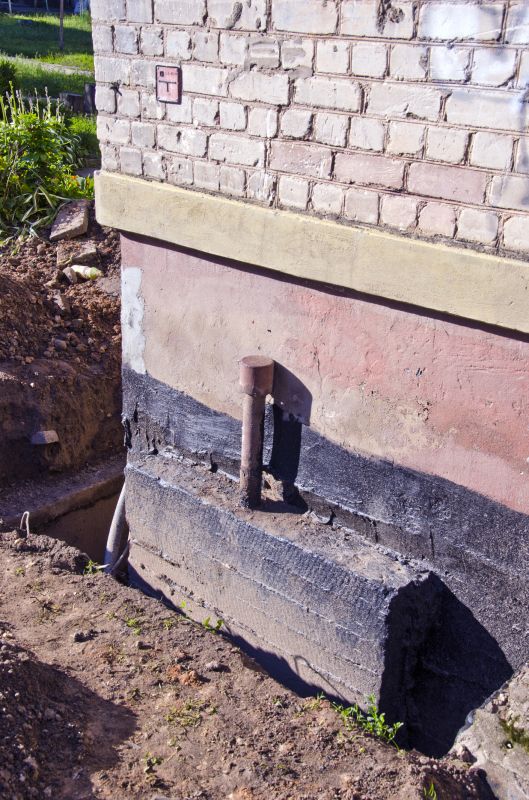
Springtime foundation work benefits from moist soil and moderate temperatures.
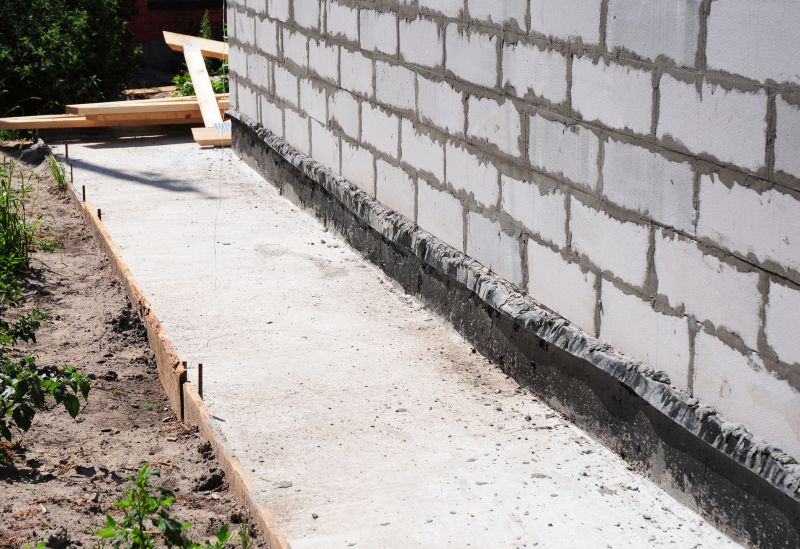
Summer offers longer days but requires careful management of heat and soil dryness.
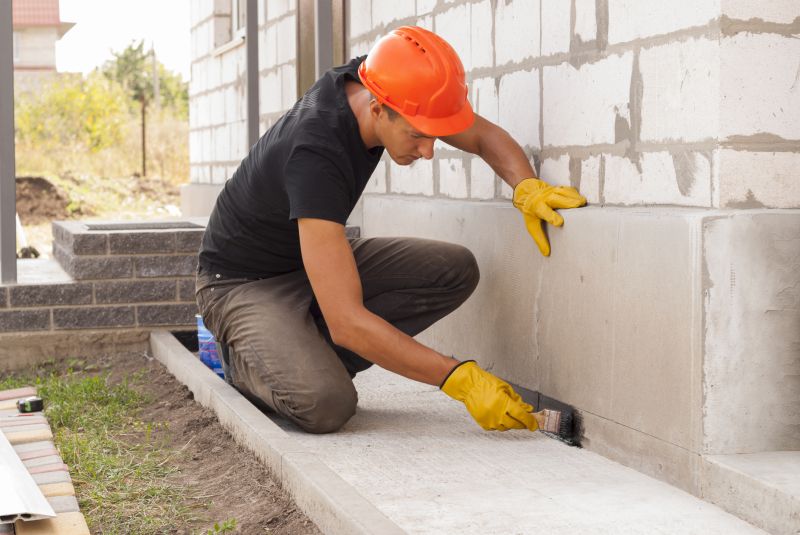
Fall provides ideal soil moisture levels and cooler weather for repairs.
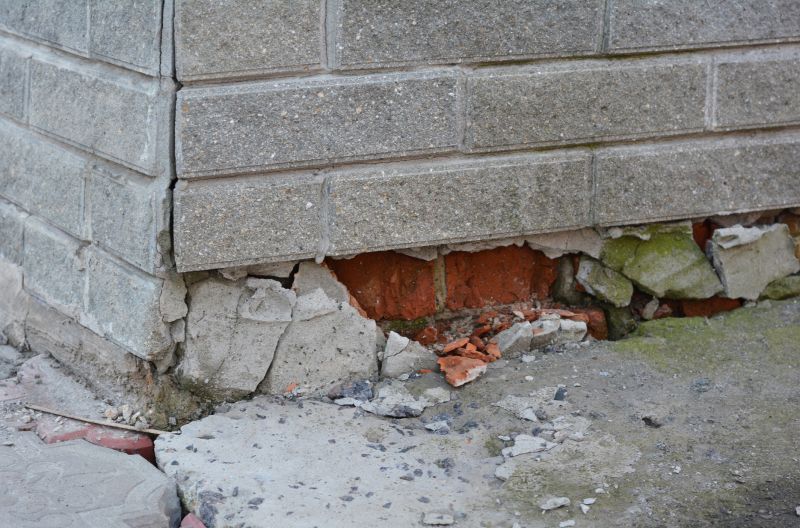
Winter conditions typically hinder foundation repair projects due to cold and frozen ground.
| Season | Ideal Conditions |
|---|---|
| Spring | Moderate temperatures, increased soil moisture, some risk of heavy rain |
| Summer | Warm weather, longer days, dry soil conditions |
| Fall | Cool temperatures, consistent soil moisture, minimal weather delays |
| Winter | Freezing temperatures, frozen ground, generally unsuitable |
Foundation repairs are critical for maintaining structural integrity and preventing further damage. Soil movement caused by moisture fluctuations, temperature changes, and ground settling can compromise a building's foundation. Timely repairs can mitigate costly future issues and extend the lifespan of a property’s structure. Proper timing ensures that repairs are effective and durable, reducing the potential for recurring problems.
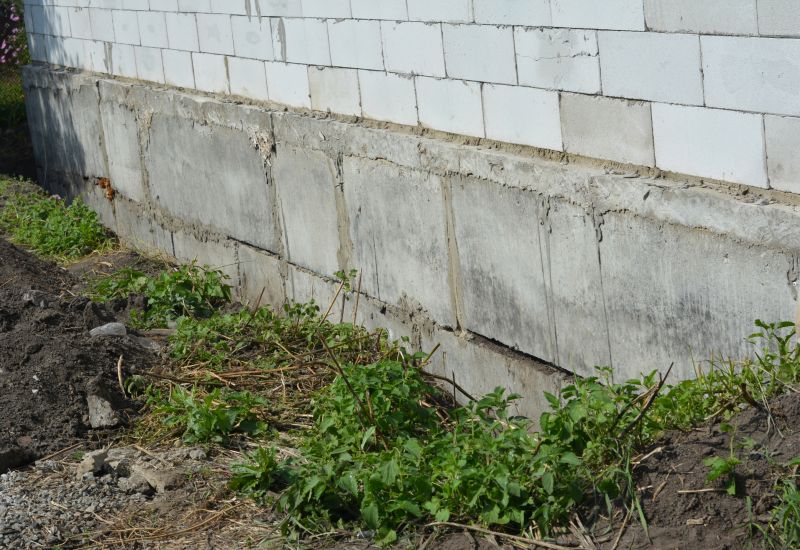
Proper timing ensures effective soil stabilization during repairs.
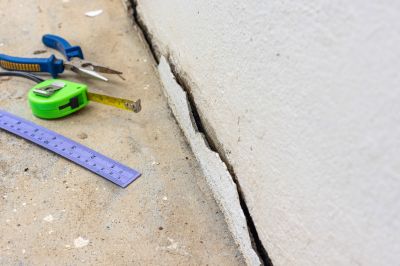
Assessing soil conditions helps determine the best repair timing.
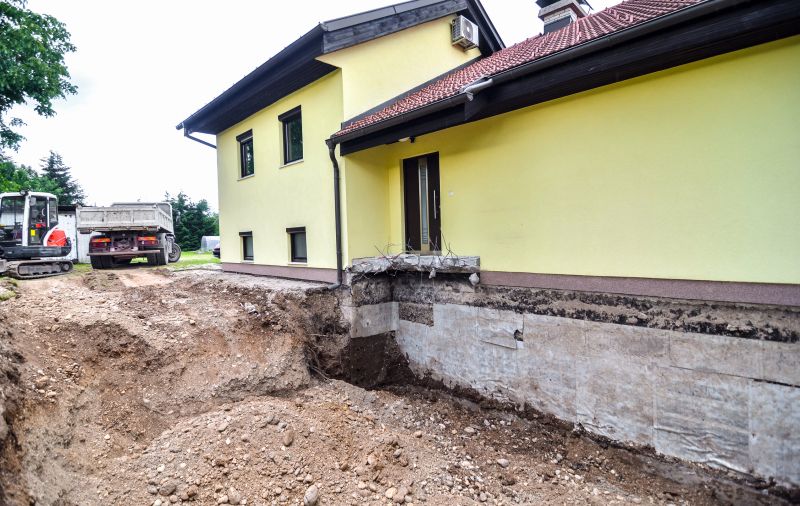
Optimal weather conditions facilitate excavation and repair work.
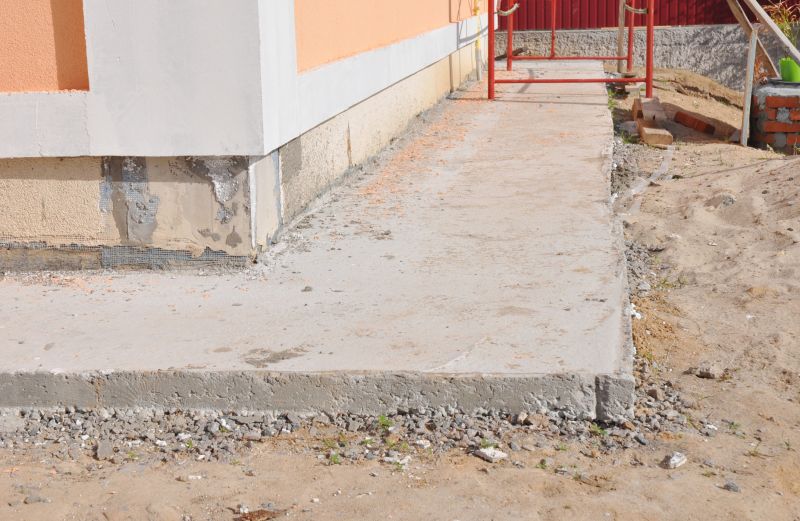
Timing repairs correctly allows for thorough inspection and long-term stability.
Understanding the seasonal factors affecting foundation repair can lead to more successful and lasting results. Proper planning around weather and soil conditions minimizes delays and reduces the risk of additional damage. Consulting with foundation specialists about timing can ensure that repairs are performed under the most favorable conditions.
Interested in foundation repairs? Contact to discuss the best timing and options for your property.