What to Expect During a Commercial Foundation Inspection
People searching for what to expect during a commercial foundation inspection can rely on local service providers to assess foundation health and identify potential issues.
Understanding what to expect during a commercial foundation inspection can help property owners feel more prepared for this important step in maintaining the stability of their buildings. During an inspection, experienced service providers will typically assess the foundation’s overall condition, looking for signs of cracking, settling, or other issues that could indicate underlying problems. Knowing what areas are examined and the types of observations made can provide clarity and peace of mind, especially for those managing or owning commercial properties in the area. Local contractors who specialize in foundation inspections are equipped to identify potential concerns early, helping property owners make informed decisions about repairs or maintenance.
For many property owners, scheduling a foundation inspection is a practical move to safeguard their investments and avoid costly repairs down the line. These inspections often include a visual evaluation of accessible areas, measurements to detect any shifts, and sometimes the use of specialized tools to assess stability. By understanding what to expect during this process, owners can better appreciate the value of a thorough assessment. Local service providers who perform commercial foundation inspections are experienced in handling the unique challenges of commercial structures, ensuring that every aspect of the foundation is carefully evaluated to support long-term property health.
- Commercial building assessments - property owners may need this work when inspecting foundations for potential structural issues, with local contractors conducting thorough evaluations of visible and subsurface conditions.
- Foundation stability checks - businesses planning renovations or expansions might require foundation inspections to ensure stability, with service providers performing detailed site analyses.
- Pre-purchase property evaluations - buyers considering commercial properties often seek foundation inspections to identify possible concerns, with local pros offering comprehensive assessments.
- Damage assessments after environmental events - in cases of flooding or soil shifting, property managers may need foundation evaluations, with local contractors inspecting for signs of movement or deterioration.
- Routine maintenance inspections - commercial property owners may schedule regular foundation checks to prevent future issues, with service providers conducting inspections tailored to each property’s needs.
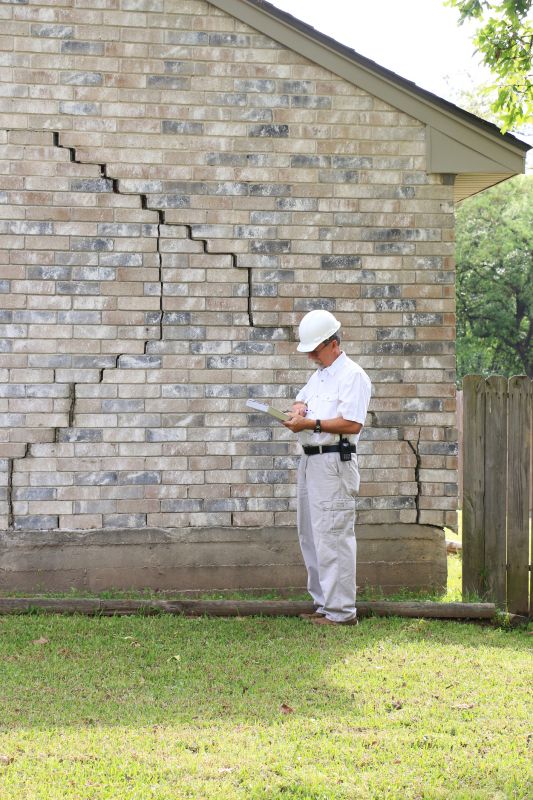

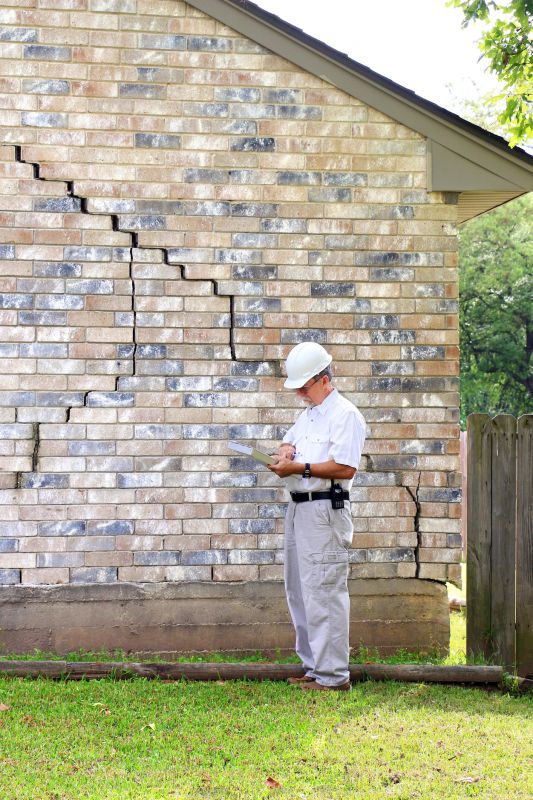
A commercial foundation inspection is a key step in assessing the structural integrity of a building’s base. When people search for what to expect during this process, they are often interested in understanding how the inspection will be conducted and what areas will be examined. Typically, the inspection involves a visual assessment of the foundation’s surface and accessible parts, looking for signs of damage such as cracks, uneven settling, or water intrusion. It may also include a review of nearby drainage systems and soil conditions to determine if they could impact the foundation’s stability. Knowing what to anticipate helps property owners prepare for the process and understand how it fits into broader plans for maintenance, renovation, or new construction projects.
The types of problems related to foundation inspections often involve issues that could compromise the safety or usability of a commercial property. Common concerns include cracking walls, uneven floors, or shifting slabs that may indicate underlying settlement or structural stress. These problems can be caused by poor soil conditions, water damage, or previous construction issues that have worsened over time. For property owners planning renovations or expansions, a foundation inspection provides valuable insight into whether the existing base can support new loads or modifications. It also helps identify areas that may need repair or reinforcement before proceeding with other construction phases, ensuring the stability of the entire structure.
Commercial properties that typically come up in foundation inspections include office buildings, retail centers, warehouses, and industrial facilities. These structures often have large footprints and heavy loads, making their foundations especially critical for safety and performance. Inspections are also common for properties that have experienced visible signs of distress or have been affected by environmental factors such as flooding or soil erosion. Regardless of the specific type, local service providers specializing in commercial foundation inspections are equipped to evaluate a range of property sizes and configurations. Their assessments help property owners make informed decisions about repairs, upgrades, or ongoing maintenance to preserve the value and safety of their investments.
Understanding what to expect during a commercial foundation inspection helps property owners connect the process to their broader project plans. These inspections are typically straightforward but thorough, involving a detailed examination of accessible foundation elements and surrounding conditions. Service providers will communicate their findings clearly, highlighting any issues that may require attention and suggesting potential next steps. For those managing commercial properties, working with local pros ensures that inspections are performed efficiently and accurately, providing the necessary insights to make informed decisions about repairs, reinforcements, or future development. This proactive approach helps safeguard the structural integrity of the property and supports long-term operational success.
Soil Testing Services - soil testing involves analyzing ground conditions, which is essential for understanding foundation stability and is a common skill used during foundation inspections.
Structural Assessment Projects - evaluating the integrity of building structures requires similar planning and inspection techniques as those used in foundation evaluations.
Concrete Evaluation Services - inspecting concrete for cracks, deterioration, or other issues is often part of foundation assessments and requires specialized tools and expertise.
Drainage and Waterproofing Inspections - assessing how water interacts with a property’s foundation involves planning and tools comparable to those used in foundation inspections.
Retaining Wall Assessments - inspecting retaining walls for stability and damage involves similar site evaluation skills as foundation inspections.
Site Preparation and Grading Services - ensuring proper site grading and preparation aligns with the groundwork assessment process in foundation inspections and involves similar planning and tools.
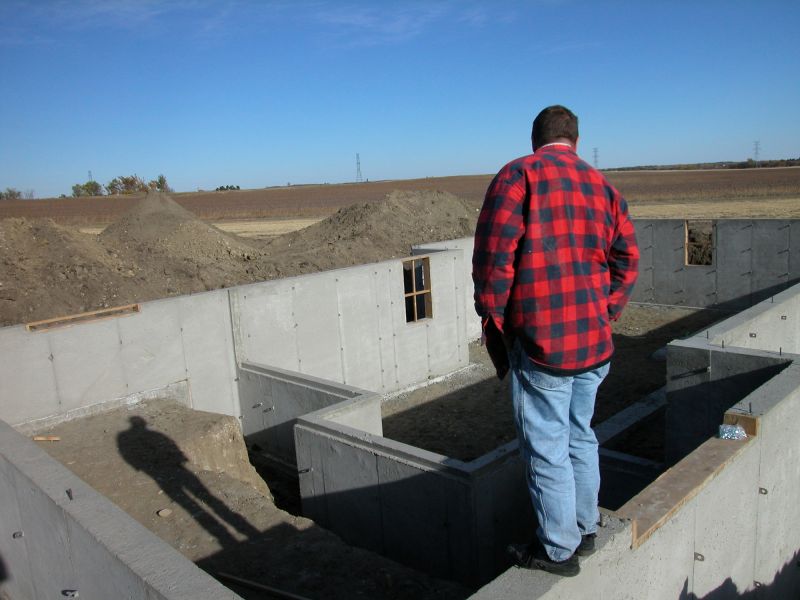
When evaluating commercial foundation inspection services, it’s important to consider the experience of local contractors with similar projects. Contractors who have handled commercial foundations comparable in size and complexity are more likely to understand the specific challenges and inspection requirements involved. This familiarity can help ensure that the inspection covers all critical aspects, from identifying potential settlement issues to assessing structural stability, providing a clearer picture of the foundation’s condition.
Clear, written expectations are also a key factor when comparing service providers. A reputable local contractor should be able to outline what the inspection will include, the scope of work, and any necessary follow-up steps in a straightforward manner. Having these expectations documented helps prevent misunderstandings and ensures that the homeowner understands what to anticipate during the inspection process, making the experience more transparent and manageable.
Good communication and reputable references are essential qualities to look for in a commercial foundation inspection service. Contractors who communicate clearly and promptly can answer questions, explain findings, and provide guidance throughout the process. Additionally, seeking references or reviews from previous clients can offer insights into the contractor’s professionalism, reliability, and quality of work. These factors contribute to a smoother inspection experience and greater confidence in the service provider’s ability to deliver thorough and accurate assessments.
Property owners often search for what to expect during a commercial foundation inspection when they are planning practical projects around their homes and businesses. Local pros provide Commercial Foundation Inspection services for everyday jobs and straightforward project options.
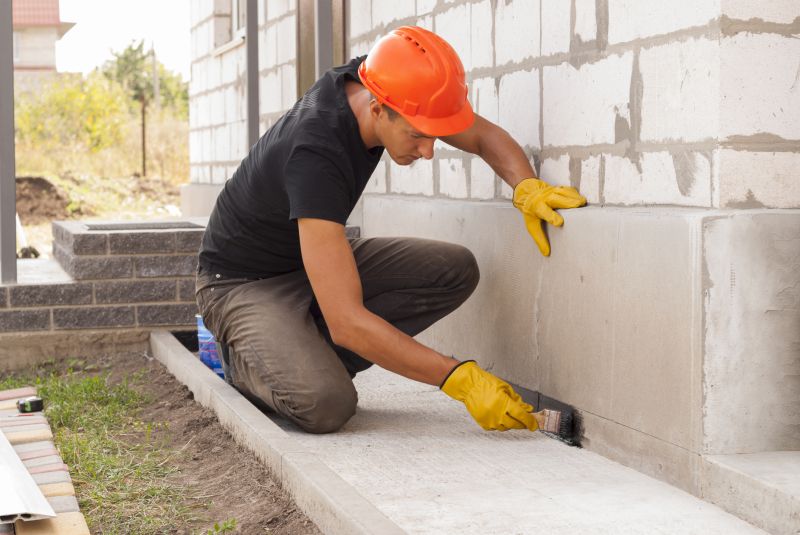

Understanding what to expect during a commercial foundation inspection can help property owners in the area prepare for the process. Typically, local contractors will begin by visually examining the foundation and surrounding structures for signs of damage, such as cracks, uneven surfaces, or settling issues. They may also assess nearby landscaping, drainage, and soil conditions that could impact the stability of the foundation. This initial evaluation often involves inspecting accessible interior and exterior areas to identify potential concerns before recommending any necessary repairs or further assessments.
For property owners considering commercial foundation inspection services, knowing what the process entails can provide peace of mind. During the inspection, service providers generally perform a thorough review to detect early signs of foundation problems that might not be immediately visible. This can include checking for structural shifts or weaknesses that could affect the building’s safety and integrity. Engaging with experienced local contractors ensures that the inspection is comprehensive, helping owners make informed decisions about maintenance or repairs to protect their investment.
What happens during a commercial foundation inspection? During a commercial foundation inspection, local contractors typically examine the foundation for signs of damage, such as cracks, settling, or water intrusion, and assess the overall stability of the structure.
How do inspectors evaluate foundation stability? Inspectors evaluate foundation stability by inspecting visible surfaces, measuring any shifts or cracks, and checking for unevenness or movement that could indicate underlying issues.
What tools or methods are used during the inspection? Local service providers often use visual assessments, measurement tools like levels or laser scanners, and sometimes non-invasive testing methods to identify potential foundation problems.
Are there specific signs of foundation issues to look for? Common signs include large or growing cracks, uneven flooring, sticking doors or windows, and noticeable tilting or sinking of the structure.
What is the purpose of a commercial foundation inspection? The goal of a commercial foundation inspection is to identify existing or potential issues early, helping property owners make informed decisions about repairs or maintenance to ensure structural integrity.
Understanding inspection scope - property owners can learn what areas and aspects of the foundation will be evaluated during a commercial inspection with help from local contractors.
Recognizing signs of issues - knowing common indicators of foundation problems can help owners identify concerns early and discuss them with service providers.
Preparation for the inspection - property owners can prepare their site by clearing access points and noting any visible cracks or shifts for review during the inspection.
Reviewing inspection findings - after the inspection, property owners can work with local contractors to understand the results and plan necessary repairs or maintenance.
If you are thinking about what to expect during a commercial foundation inspection for a property, this guide is meant to help you understand this topic, the typical project types, and how different options might fit your plans.
When you are ready, you can use the quote form on this page to share a few details about your project. From there, local pros can review the basics and follow up with options that match what you have in mind.